
How to Manage Stress and Anxiety Without Medication: Effective Strategies for Everyday Life
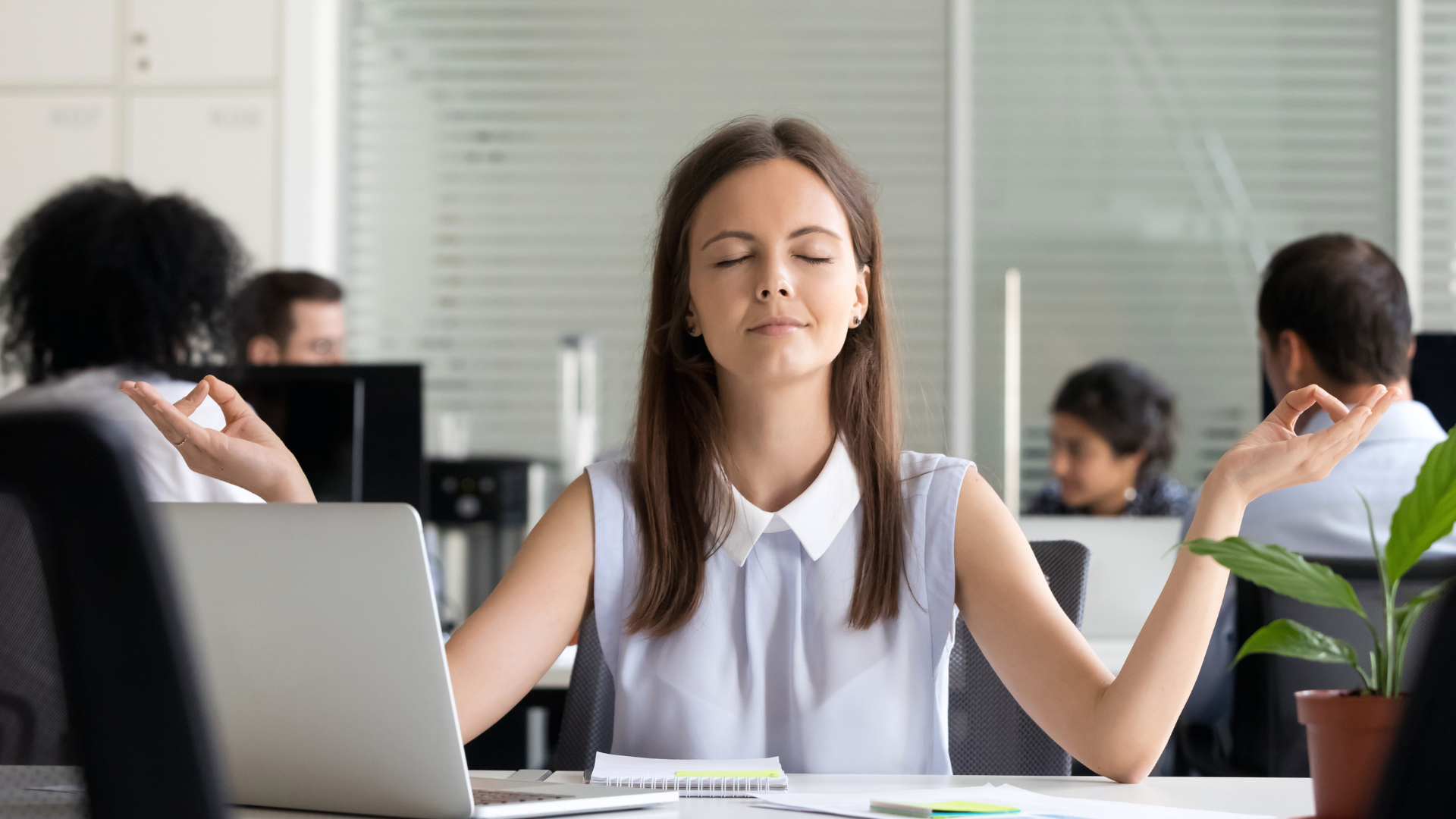
Managing stress and anxiety without medication is a viable approach that many individuals explore to improve their mental health. Practices such as regular exercise, mindfulness techniques, and healthy lifestyle choices can significantly reduce stress levels and alleviate anxiety symptoms. These strategies empower people to take control of their mental well-being through natural, holistic methods.
Many find that incorporating daily routines focused on self-care can make a difference. Techniques such as deep breathing, journaling, and establishing strong social support systems enhance emotional resilience. By fostering positive habits, individuals can create a stable foundation for managing life’s challenges more effectively.
Building awareness around triggers and responses is also crucial. Understanding personal stressors allows for implementing proactive strategies tailored to individual needs. Embracing these practices can lead to a healthier mindset and improved quality of life, ultimately helping individuals thrive without reliance on medication.
Understanding Stress and Anxiety
Stress and anxiety are common experiences that affect many individuals. Recognizing their symptoms is crucial for effective management. Identifying common causes and triggers can help address specific sources of distress. Understanding their relationship with various mental health conditions is also important for developing coping strategies.
Recognizing the Symptoms
Stress and anxiety manifest in physical and emotional symptoms. Common physical symptoms include increased heart rate, fatigue, muscle tension, and sleep disturbances. Emotional symptoms often involve feelings of worry, restlessness, and difficulty concentrating.
Some individuals may experience panic attacks, characterized by shortness of breath, sweating, or a sense of impending doom. It’s essential to recognize that these symptoms can vary in intensity and duration. Early identification can facilitate prompt intervention and support.
Common Causes and Triggers
Several factors contribute to the development of stress and anxiety. Common causes include work pressures, relationship issues, and financial concerns. Life changes, such as losing a job or experiencing a divorce, can serve as significant triggers.
Environmental factors, such as noise pollution and living conditions, may also exacerbate feelings of anxiety. For many, chronic illnesses and health concerns can heighten stress levels. Understanding these causes can help individuals identify which aspects of their lives may be impacting their mental well-being.
Relationship With Mental Health Conditions
Stress and anxiety are often linked to various mental health disorders. Individuals with anxiety disorders, such as generalized anxiety disorder or social anxiety disorder, may experience heightened symptoms during stressful situations.
Depression frequently coexists with anxiety, creating a complex interplay of symptoms that can be challenging to manage. Post-traumatic stress disorder (PTSD) also illustrates this relationship, as those affected may experience significant anxiety related to past trauma. Recognizing these connections aids in more accurate diagnosis and personalized treatment approaches.
Lifestyle Strategies for Reducing Anxiety
Adopting specific lifestyle strategies can significantly help in managing anxiety. Focused attention on sleep, nutrition, exercise, and support systems can lead to a more balanced emotional state.
Optimizing Sleep Habits
Quality sleep is essential for reducing anxiety. A consistent sleep schedule can help regulate the body’s internal clock. It is advisable to aim for 7 to 9 hours of sleep each night.
Creating a calming bedtime routine can enhance sleep quality. This may include activities such as reading, meditating, or taking a warm bath. Limiting screen time before bed is crucial, as blue light from devices can disrupt sleep.
Furthermore, a comfortable sleep environment can also make a difference. This includes a cool, dark, and quiet room to promote better rest and lower cortisol levels, which are associated with stress.
Nutritional Approaches
Diet plays a crucial role in managing anxiety. Incorporating a variety of fruits and vegetables into daily meals can provide essential nutrients that support mental health. Foods rich in omega-3 fatty acids, such as salmon and walnuts, are known to help reduce anxiety.
Limiting processed foods and sugar is also beneficial. These items can cause fluctuations in energy levels and mood, leading to increased stress. Staying hydrated by drinking enough water is equally important for overall well-being.
Additionally, certain nutrients like magnesium, found in leafy greens and nuts, can help relax the nervous system and lower anxiety levels.
Incorporating Exercise Into Daily Life
Regular physical activity is one of the most effective ways to reduce anxiety. Exercise releases endorphins, which improve mood and promote relaxation. Aiming for at least 30 minutes of moderate exercise most days can provide substantial benefits.
Activities such as walking, yoga, and cycling can help alleviate stress and anxiety. It is vital to find an enjoyable activity to encourage consistency.
Incorporating exercise into daily routines, such as taking the stairs instead of the elevator, can also be effective. This small change contributes to an active lifestyle while helping to manage anxiety.
Building a Support System
A strong support system can provide both emotional and practical assistance. Connecting with friends, family, or support groups can help alleviate feelings of isolation.
Sharing thoughts and feelings with trusted individuals promotes open communication, which can be therapeutic. It allows individuals to gain new perspectives and coping strategies for managing stress.
They can also participate in social activities to foster connections. Engaging in community events or group hobbies can enhance feelings of belonging and support, which are essential for mental well-being.
Mindfulness and Therapeutic Techniques
Mindfulness and therapeutic techniques play a vital role in managing stress and anxiety. Through various practices, individuals can cultivate awareness and enhance their emotional well-being.
Introduction to Mindfulness Practices
Mindfulness practices encourage a state of active, open attention to the present. This involves observing thoughts and feelings without judgment. Techniques such as mindful breathing, body scans, and sensory awareness exercises help individuals redirect focus away from anxiety-provoking thoughts.
Regular engagement in mindfulness can rewire the brain’s response to stress. Studies have shown that consistent practice reduces anxiety levels and improves overall mental health. Participants often report a greater sense of clarity and emotional resilience.
The Power of Meditation
Meditation serves as a cornerstone for many mindfulness practices. It involves training the mind to focus and redirect thoughts, often leading to a deep relaxation response. Techniques include guided meditation, transcendental meditation, and loving-kindness meditation.
Each type offers unique benefits, such as improved concentration and emotional regulation. Studies indicate that even short daily sessions can significantly lower stress levels and increase feelings of well-being. Meditation fosters self-compassion, which is crucial for personal growth.
Benefits of Therapy
Therapeutic approaches provide structured environments in which individuals can explore their feelings. Cognitive-behavioral therapy (CBT) and acceptance and commitment therapy (ACT) are particularly effective in addressing anxiety.
These therapies focus on altering negative thought patterns and promoting acceptance. The collaborative relationship with a therapist is vital, offering support and guidance. Many find that therapy complements mindfulness practices, as it helps individuals process emotions more effectively.
Managing Stress Through Relaxation Exercises
Relaxation exercises serve as practical tools to manage stress. Techniques like progressive muscle relaxation, visualization, and deep breathing help decrease physical symptoms of anxiety.
Incorporating these exercises into daily routines allows individuals to control their relaxation response. Scientific evidence supports the effectiveness of these techniques, highlighting reduced heart rates and lower cortisol levels. Regular practice enhances resilience against stressors, making it easier to face everyday challenges.
Additional Tools and Resources
Finding the right resources can significantly enhance stress and anxiety management without medication. Utilizing various tools helps to reinforce practices that promote emotional well-being.
Selecting Helpful Content and Products
When choosing content and products, focus on evidence-based materials. Books, podcasts, and apps can provide valuable insights and techniques.
Recommended Content Types:
- Books: Look for titles that focus on cognitive behavioral therapy (CBT) and mindfulness practices.
- Podcasts: Popular options often include interviews with mental health professionals discussing practical strategies.
- Apps: Consider meditation apps, mood trackers, or anxiety relief programs.
Using products like stress balls, aromatherapy oils, or journals can also be beneficial. These tangible items can serve as reminders to utilize coping techniques during stressful moments.
When to Seek Professional Help
Recognizing when to seek professional help is crucial. If anxiety or stress significantly interferes with daily life or relationships, consulting a therapist or counselor is advisable.
Some signs that professional help may be necessary include:
- Persistent feelings of sadness or hopelessness.
- Difficulty maintaining work or social connections.
- Experiencing panic attacks.
Professionals can provide tailored treatment plans, including therapeutic techniques and lifestyle changes. Support groups may also be beneficial as they offer community and shared experiences, enhancing the management of stress and anxiety.