
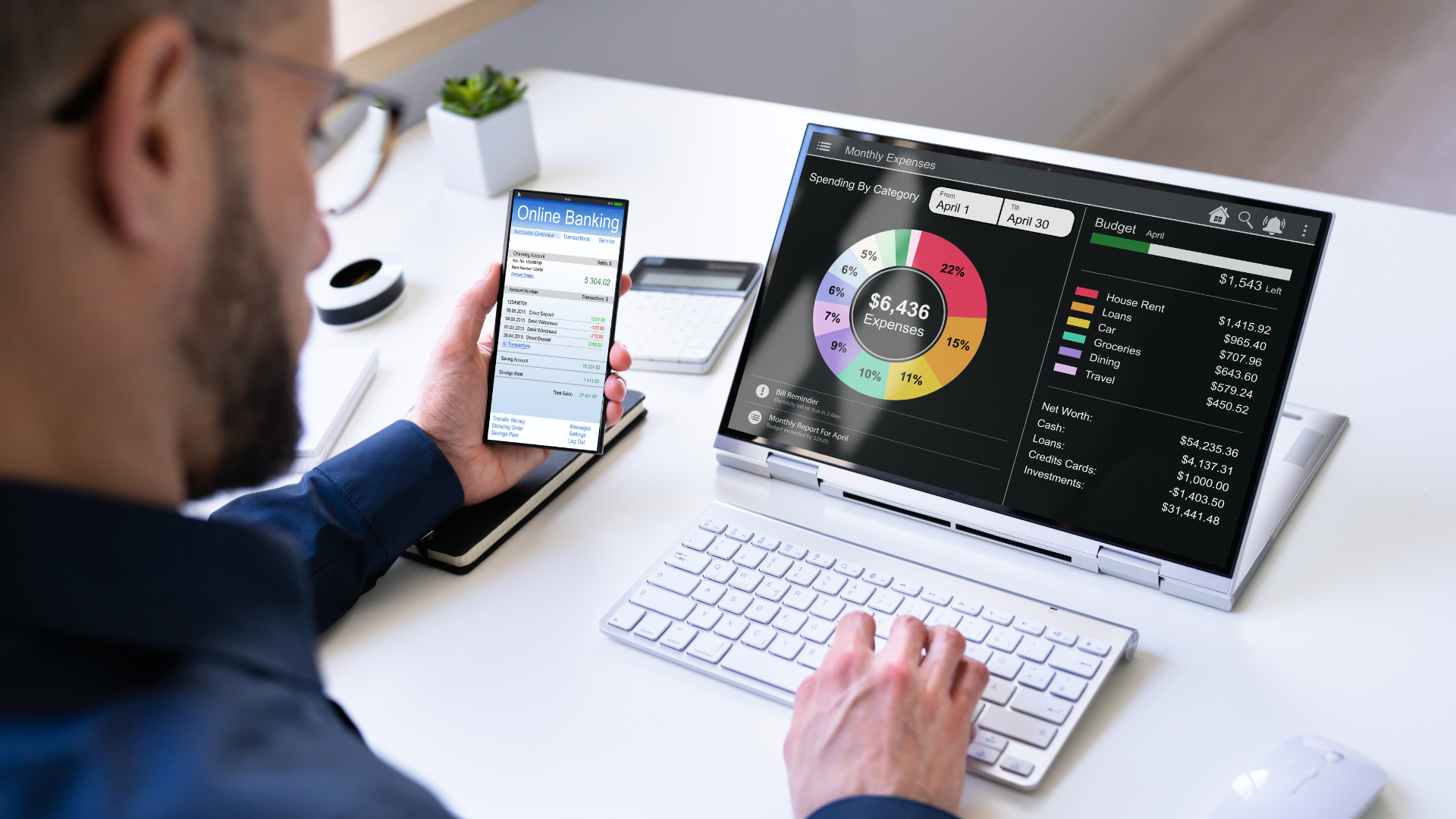
The Best Personal Finance Apps for Tracking Your Money Effectively and Wisely
Managing money effectively is essential for financial stability and growth. The best personal finance apps for tracking your money offer intuitive features that simplify budgeting, expense tracking, and financial goal setting. These tools can empower users to take control of their financial lives by providing insights into spending habits and helping with the planning process.
Many individuals struggle to keep their finances organized amidst daily expenses and financial obligations. Personal finance apps eliminate the guesswork by categorizing transactions and offering real-time updates. They serve as a valuable resource for anyone looking to gain clarity on their financial situation.
With a wide range of options available, each app has unique features tailored to meet different needs. By exploring the top personal finance apps, users can find the right fit for their financial goals and lifestyle, paving the way towards smarter money management.
What to Look for in a Personal Finance App
When selecting a personal finance app, users should focus on essential features, usability, and security. The right app can simplify budgeting and enhance financial awareness.
Essential Features for Money Management
A good personal finance app should include key features like budgeting tools, expense tracking, and bill reminders. Users benefit from apps that offer budget categories, allowing for organized financial tracking.
Important features include:
- Expense Tracking: Automatically categorizes spending.
- Budgeting Tools: Facilitates the creation and adjustment of personal budgets.
- Financial Reporting: Generates insights into spending habits.
Some apps may include integrations with financial services, providing a comprehensive overview of financial health. A thorough feature set can empower users to make informed decisions regarding their finances.
Ease of Use and User Interface
An intuitive user interface is crucial for effective money management. Users will appreciate apps that are simple to navigate, making it easy to access information quickly.
Features to note are:
- Clean Design: Reduces clutter and enhances focus.
- Mobile Optimization: Ensures usability on various devices, especially smartphones.
- Touch ID: Provides quick access while maintaining security.
An app that emphasizes ease of use helps users stay engaged and committed to tracking their finances. The better the user experience, the more likely individuals will utilize the app consistently.
Security and Privacy Considerations
Security is paramount when dealing with personal financial information. Users should prioritize apps that offer robust security features to protect sensitive data.
Key considerations include:
- Encryption: Ensures data is secure during transfer and storage.
- Two-Factor Authentication: Adds an extra layer of security during logins.
- Privacy Policies: Clear policies outlining how user data is handled.
Choosing an app that prioritizes security can help users feel confident in managing their financial information without fear of breaches or data loss. Security features can significantly enhance the overall user experience.
Top Personal Finance Apps for Tracking Your Money
Various personal finance apps offer unique features to help users effectively manage their finances. Key options include tools for budgeting, expense tracking, and even bill negotiation.
YNAB: Zero-Based Budgeting Powerhouse
YNAB, short for You Need A Budget, utilizes a zero-based budgeting approach. This method encourages users to allocate every dollar to specific expenses or savings goals.
Key features include:
- Budget Tracker: Users can set monthly spending plans and adjust categories based on actual spending.
- Expense Tracking: Users receive real-time updates to understand their spending habits.
- Goal Setting: YNAB allows users to prioritize savings and plan for future expenses.
With educational resources available, YNAB helps users build better financial habits over time.
Rocket Money: Advanced Bill Negotiation and Tracking
Rocket Money focuses on providing robust bill tracking and negotiation features. Users can link their bank accounts to effortlessly track recurring expenses.
Significant capabilities include:
- Bill Tracking: Users receive notifications for upcoming payments, ensuring bills are never missed.
- Bill Negotiation: Rocket Money actively negotiates bills on behalf of users to lower costs.
- Spending Analysis: Users can view categorized spending to identify areas for improvement.
This app’s focus on reducing expenses and managing payments makes it a solid choice for budget-conscious individuals.
Quicken Simplifi: Comprehensive Financial Roadmap
Quicken Simplifi aims to be an all-in-one financial management tool. It offers an easy interface for budgeting and expense monitoring.
Notable features include:
- Automated Budgeting: Users can set up budgets that automatically adjust based on spending patterns.
- Real-Time Sync: The app syncs with bank accounts for accurate tracking of transactions.
- Comprehensive Reports: Users can generate reports to visualize their financial health quickly.
With these tools, Simplifi helps users maintain control of their spending and savings effectively.
Other Noteworthy Budgeting Apps and Tools
Several budgeting apps and tools offer unique features for managing finances. Each one provides different methods for tracking spending, setting savings goals, and simplifying overall money management.
EveryDollar: Guided Budgeting and Savings Goals
EveryDollar employs a user-friendly interface for creating monthly budgets. Users can manually enter their income and expenses or connect their bank accounts for direct updates. The app encourages users to allocate funds towards specific savings goals, enhancing their financial planning.
The budgeting process is straightforward with the option for zero-based budgeting, where every dollar is assigned a purpose. Users can also track spending throughout the month and adjust budgets as needed. EveryDollar has a premium version that allows for bank syncing and faster setup.
PocketGuard: Streamlined Money Management
PocketGuard helps users see how much disposable income they have after covering bills, goals, and necessities. This app connects to bank accounts to track transactions automatically. It categorizes spending to provide insights into where money goes each month.
A standout feature is the “In My Pocket” functionality, which shows users how much money they can spend without overspending. Users can set savings goals and monitor progress over time. The focus on simplicity makes PocketGuard an appealing option for those seeking clarity in budgeting.
Goodbudget: Digital Envelope Method
Goodbudget adapts the traditional envelope budgeting method into a digital format. Users allocate funds into different categories, represented by envelopes, which helps in visualizing spending limits. This method encourages thoughtful financial decisions and restraint.
The app does not require bank syncing, ensuring users remain in control of their finances. They can manually input income and expenses, making it accessible for those who prefer a hands-on approach. Goodbudget also allows users to set savings goals and track their progress.
Monarch Money and Honeydue: Specialized Solutions
Monarch Money offers a comprehensive approach to personal finance. It allows for budgeting, goal setting, and investment tracking in one platform. Users can link accounts to view their entire financial picture, making it easier to make informed decisions.
Honeydue, on the other hand, specializes in budgeting for couples. It allows partners to sync their finances, track shared expenses, and set savings goals collaboratively. Honeydue emphasizes communication and transparency, making it ideal for joint budgeting efforts.
Each of these tools provides distinct features suited to various financial needs. Whether seeking a digital envelope method or an all-in-one financial management platform, there is a suitable option available.
Choosing the Right Personal Finance App for Your Needs
Selecting a personal finance app involves understanding individual financial goals, integrating with existing budgeting systems, and sometimes seeking professional advice. Each aspect plays a crucial role in ensuring the app suits specific requirements.
Aligning Apps with Financial Goals and Preferences
When choosing an app, users must first identify their financial goals. Whether focused on saving for retirement, paying off debt, or budgeting for monthly expenses, the app should align with these objectives.
Users should look for features that support their needs, such as:
- Goal tracking: Allows users to set, monitor, and achieve specific savings goals.
- Spending analysis: Offers insights into spending habits to encourage better cash flow management.
- User interface: An intuitive design enhances user engagement and ease of navigation on platforms like iOS.
The right app combines functionality with user preferences for a better financial roadmap.
Integrating Apps with Your Budgeting System
A personal finance app should seamlessly integrate with the user’s existing budgeting system. Compatibility with bank accounts, credit cards, and investment platforms is essential for holistic financial monitoring.
Key features to consider include:
- Budgeting tools: Customizable categories to track spending according to individual needs.
- Syncing capabilities: Automatic updates for real-time tracking of finances without manual entry.
- Alerts and notifications: These help manage cash flow and avoid overspending.
Integration with existing systems leads to a more accurate and comprehensive financial overview.
Seeking Advice from Financial Advisors
Consulting a financial advisor can provide valuable insights into choosing the right app. Advisors can offer tailored recommendations based on individual financial situations and long-term goals.
Consider these points:
- Expert evaluation: Advisors can assess the app’s ability to meet financial objectives.
- Ongoing support: Professional guidance in navigating financial complexities enhances user confidence.
- Customized financial strategies: Advisors may suggest apps that align with specific needs, optimizing the user experience.
For those uncertain about their financial roadmap, expert advice can clarify app choices and ensure that users make informed decisions.